See
here for the exam paper.
Post in this thread any questions, disputes or things I might have gotten wrong (it's been 2 years since I've done some of the content in unit 3).
Multiple Choice Questions1. C
2. D
3. C
4. D
5. C | 6. A
7. C
8. C
9. B
10. A | 11. C
12. A
13. B
14. B
15. A
| 16. C
17. B
18. A
19. D
20. B | 21. C
22. D
23. D
24. B
25. D |
Short Answer Questions1.a. Chain X: Alpha helix
Chain Y:Beta pleated sheet
b. Name: Glycogen
Function: Energy Storage
c. - Keep structural integrity
- Maintain fluidity
- Fills in the gaps
etcetc.
2.a. GAAUGUAAUGAG
b. 20%
c.i. Cytosol/cytoplasm
ii. tRNA's role is to transfer a specific amino acid (which it is attached to) to the growing polypeptide chain at the ribosomes during translation, according to the mRNA codons.
d. Glutamic acid, cysteine, asparagine, glutamic acid.
e.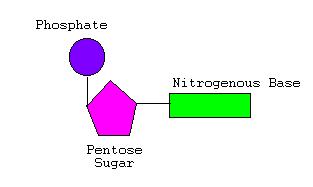 CREDITS TO POLKY FOR Q1&2.3.a.
 NADPH
b. Availability of water or carbon dioxide
c. To absorb the energy of other wavelengths of light which are available, for use in photosynthesis.
d. Species X would shed its leaves in Winter.
Looking for someone to finish this off, I'm not too sure about it.e. - The rate of photosynthesis for the plant subject to low light intensity barely increases with increasing temperatures as the amount of light is currently the limiting factor in the photosynthetic reactions.
- The rate of photosynthesis for the plant subject to high light intensity greatly increases with increasing temperatures as the enzymes which catalyse the photosynthetic reactions have more collisions.
- The rate of photosynthesis for both plants exponentially decreases at approximately 32 degrees because the photosynthetic enzymes begin to denature and lose their functional shape, and hence cannot catalyse the photosynthetic reactions anymore.
4.a.i.ii.b. The production of jasmonic acid attracts wasps to the plant which can then kill the caterpillars on the plant. This prevents the plant having its leaves eaten which are required for energy production through photosynthesis.
5.a. Through the blood stream
b. A negative feedback system involves a system acting to oppose any changes to it, such that its conditions are maintained within narrow limits.
c.i. Model T
ii. TSH is an protein-based hormone and hence is too large to pass through the pores in the phospholipid bilayer of the cell membrane. Instead, it binds to receptors located on the cell membrane which then initiate signal transduction.
d. Cells of the testes and brain tissue do not have the specific receptor that binds to thyroxine.
e. Rough endoplasmic reticulum/endoplasmic reticulum
f.Golgi body/apparatus
g. Endocytosis
6.a.1. Effector
2. See here.b. Neurotransmitter
c. Breakdown of neurotransmitters to prevent ongoing stimulation.
d.i. The circuit involves neurons being arranged in a cyclical manner so that stimulation of one neuron results in continual stimulation of all them.
ii. As they are arranged cyclically to enable continual stimulation, this allows vital processes such as rhythmic breathing to continue indefinitely without the need for continual inputs of stimuli.
Could probably add more to d.i. and ii.7.a. B lymphocyte/cell
b.i. Plasma cell
ii. Antibody production and secretion into the blood
c.i. Memory B cell
ii. To mount a faster and stronger secondary immune response the next time the body encounters the same antigen.
d.To list a few possible answers;
- Type-1 diabetes mellitus/insulin-dependent diabetes mellitus (you'll get the mark even if you don't write 'mellitus')
- Systemic lupus erythematosus
- Rheumatoid arthritis
- Multiple sclerosis
e. Autoimmune diseases involve the body's immune system targeting the body's self-cells. This occurs by lymphocytes developing defects in their receptors which are able to bind to self-antigens. In turn, the immune system can then begin to lyse self-cells, and develop antibodies against itself which then result in various disease states.
8.a. The cells in the bone marrow are responsible for eventually specialising into T and B lymphocytes which form the adaptive and specific immune system. Without bone marrow cells, these T and B lymphocytes cannot be made, and the host will be prone to infections as their other mechanisms of defense are unlikely to suffice by themselves.
b.i. Chemical 2
ii. The shape of chemical 2 is exactly complementary to that of the shape of the active site of bcl-2.
c. A few possible answers;
Chemical 4 may have side-effects which are less serious relative to those of the other chemicals due to its different shape.

 Home
Home
 Help
Help
 Search
 Login
Login
